How to Develop and Maintain a Healthy Lifestyle – Part One
“The first wealth is health” Ralph Waldo Emerson
“When you have your health you have everything”
Agusten Burroughs
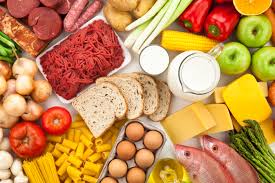
When I contemplated what to write about in my first post, healthy living jumped out at me. It seemed an appropriate place to start because it impacts all other areas of our lives, as the two quotes above suggests.
Most of us know the importance of a healthy lifestyle, unfortunately, for many, this does not translate into healthy living. Most people seem to have a ‘valid’ reason for not practicing healthy living. Some blame their busy schedules; they simply cannot find the time to eat right, exercise or to get a good night’s sleep. Others blame lack of money; they cannot afford to buy exercise machines or gear, or to go to a gym and healthy foods are too expensive.
The truth is, we do not practice a healthy lifestyle because we do not consider it a priority. Anyone who cannot commit ten to fifteen minutes per day to exercise, in order to improve his or her health is too busy. For those who cite money as an issue, there are a whole range of exercises that do not cost a cent; walking, swimming, stair climbing and aerobics, to name a few.
When it comes to food, some of the junk we put in our bodies cost just as much, sometimes more, than healthier alternatives.
It does not require a lot of time or money to practice a healthy lifestyle, it mostly requires the will to do so. In this posts I am challenging everyone (myself included) to commit to developing and maintaining healthier lifestyles.
Elements of a Healthy Lifestyle
There are several elements that go into making a healthy, balanced lifestyle. These include:
- Eating a balanced diet
- Exercising regularly
- Managing your weight
- Getting good quality rest
- Managing stress
In this 3 part series, we will examine these key elements and look at how they impact our health. Part 1 will deal with Eating a balanced diet, Part 2 Exercising regularly and Managing your weight and Part 3 Getting good quality rest and Managing Stress.
Eating a Balanced Diet
A balanced diet is crucial to good health. Food is to our bodies what fuel is to a car. If you put poor quality fuel into your car, the car will perform poorly. The same is true for our bodies, if we do not eat a balanced diet, our bodies will not perform well. In fact, many chronic diseases and other health problems such as; diabetes, high blood pressure, heart disease, strokes, high cholesterol, osteoporosis and some cancers, are directly linked to poor nutrition. The good news is, for those who are free from these health issues a balanced diet can help to ensure that you maintain your good health. For those who are living with these health problems, eating healthy foods can improve your quality of life.
What is a balanced diet?
A balanced diet means eating foods from all five food groups on a daily basis. The five food groups are:
- Carbohydrates – this group includes foods such as bread, rice, oats, pasta, potatoes, yam, green bananas and breakfast cereals.
- Proteins – this group includes meats, fish, eggs and vegetable proteins, such as nuts, beans and lentils.
- Milk and dairy products – Milk and cheese are the main items in this group but it also includes the wide range of products made from milk and cheese such as yogurt, whipped cream, cream cheese and cottage cheese.
- Fruits and vegetables – There are a wide variety of fruits; apples, apricots bananas, grapes, melons, pears, peaches, pineapples, plums, oranges and grapefruits. There are also a wide range of vegetables including; avocados, broccoli, brussel sprouts, cabbage, carrots, cauliflower, onions and pumpkins.
- Fats and sugars – Fats include butter, margarine, creams, cooking oils and salad dressings. Sugars include plain sugar used to sweeten food, soft drinks, chocolates, sweets, biscuits, cakes, puddings and pastries.
Nutrient-dense Foods
Nutrient-dense or nutrient-rich foods are high in nutrients but relatively low in calories. These foods include fruits and vegetables, whole grains, low-fat or fat-free milk and milk products, lean meats, seafood, nuts, peas, beans and eggs. They contain vitamins and minerals, lean protein, complex carbohydrates and healthy fats.
It is a good idea to include many nutrient-dense foods in your diet, as they provide high quality nutrients without high calories. This is important for everyone but especially for those struggling with health problems, such as diabetes, high blood pressure, high cholesterol and people who are trying to lose weight.
For more information on nutrient-dense foods check the following link.
https://www.cancer.gov/publications/dictionaries/cancer-terms/def/nutrient-dense-food
Empty Calories – These are calories obtained from foods that are high in calories but contain little or no nutrients. They contain mostly sugars, fats and oils. We should remove them from our diets or at least reduce them significantly as they cause weight gain and may lead to deficiencies in certain nutrients. Examples of these foods are: soft drinks, candies, cakes and pastries and alcoholic beverages.
The Functions of the Various Nutrients
The body needs nutrients for growth, maintenance and repair. Most of the nutrients that it needs to carry out these functions must be provided through food, as it cannot produce them. These are referred to as essential nutrients. Non-essential nutrients are those that the body can produce or can get from sources other than food. Non-essential does not mean they are not important, it only means they do not have to be provided through the diet. Examples are non-essential amino acids and dietary fiber.
Nutrients are also classified as macro-nutrients and micro-nutrients. Macro-nutrients are those that the body requires in fairly large quantities. The macro-nutrients are proteins, carbohydrates and fats. Micro-nutrients are needed by the body in small amounts. The micro-nutrients are vitamins and minerals.
The Six Essential Nutrients
The six essential nutrients that the body needs in order to perform are:
- Proteins
- Carbohydrates
- Fats
- Vitamins
- Minerals
- Water
Proteins
Proteins are the building blocks of the body. They are used mainly for growth maintenance and repair of all cells in the body. The body’s need for protein is not always the same. During periods of growth, such as pregnancy, infancy and childhood the body requires more protein. People who have injuries, have undergone surgery or consistently engage in strenuous exercises that breakdown muscles also have increased need of protein. This means that their intake of protein would need to increase in order to supply the required amounts.
A deficiency of protein in the diet may result in various health issues, such as:
- Lack of growth
- Loss of muscle mass
- Weakening of the heart
- Respiratory problems
- Weak immune system
Severe protein deficiency may even be fatal. This underscores the importance of protein to the body and the need to ensure that we have enough in our diets.
Proteins are only used for energy if there is not enough carbohydrate and fats to produce the required energy. The body breaks down proteins into amino acids. There are essential and non-essential amino acids. Proteins in our diet comes from animal sources, such as meats, dairy products and eggs and from plant sources such as peas, beans and nuts.
Animal proteins are referred to as complete proteins because they contain all the essential amino acids. Proteins from plant sources lack one or more of the essential amino acids and are therefore referred to as incomplete proteins.
Functions of Proteins in the Body
- Building Tissues and Muscles – Insufficient protein in your diet may result in deterioration of muscle tissues. Some exercises and other strenuous activities may result in micro tears in the muscles. Protein is required for the immune response that helps in repairing these tears in the muscles.
- Hormone Production – Hormones are chemicals produced in one part of the body that help in coordinating activities and communicating with other areas of the body. Insulin is a hormonal protein that most of us are familiar with. We know the crucial role it plays in controlling blood sugar concentration.
- Enzyme Production – Enzymes are proteins that adhere to molecules to speed up chemical reactions. They are important for muscle contraction and relaxation, nerve impulse transmission and digestion. Amylase and lipase are enzymes that help in the digestion of carbohydrates and fats respectively.
- Immune functions – Antibodies are specialized proteins produced in the blood, they destroy disease causing substances, known as antigens.
- Transport and storage medium – Protein plays an integral role in transporting and storing certain substances in the body. For example the protein hemoglobin transports oxygen to all the cells in the body, while ferritin is a protein that stores iron in the body.
- Provides energy – If you consume more protein than your body needs, the body will break it down and store it as fat. This fat can later be converted to energy. In cases where there is not enough carbohydrates or fat to meet the body’s energy needs, it will use proteins to provide the required energy. This diverts proteins from their main work of repair and maintenance of cells and if prolonged could result in health problems.
To learn more about proteins, their functions and sources visit these websites:
https://healthyeating.sfgate.com/6-primary-functions-proteins-5372.html
https://www.medicalnewstoday.com/articles/310118.php
Carbohydrates
These are the main source of energy in the body. There are three types of carbohydrates; starch, sugar and fiber. Carbohydrates in the body are broken down into glucose and absorbed into the blood stream. Glucose is used to provide the energy required to perform various body functions.
Carbohydrates are classified as simple or complex based on the number of sugar molecules they contain. Simple carbohydrates contain only one or two sugar molecules, this causes them to be easily broken down into glucose and absorbed into the blood stream. This can lead to spikes in blood glucose levels, which can result in diabetes. Complex carbohydrates are made from longer sugar chains, three or more, hence they take longer to be broken down into glucose and released into the blood stream. This helps in preventing spikes in blood glucose levels.
Complex carbohydrates come from natural, unprocessed foods, such as whole wheat bread and brown rice. Simple carbohydrates come from processed or refined foods, such as white bread and white rice.
Functions of Carbohydrates in the Body
- Provides energy for the body – Carbohydrates are broken down into glucose and transported through the blood stream to all cells in the body, where it provides the energy required to carry out various functions. The body converts carbohydrates to energy more efficiently than it does proteins and fat, hence it uses fats and proteins for energy only when there is not enough carbohydrates available. If your body has excess glucose it stores it as glycogen for use in the future, if your glycogen stores are full the body breaks down the carbohydrates into fat and stores it.
- Provides energy to the brain – the brain deserves special mention because it has a vast network of cells and uses half of the glucose in the body, more than any other organ. It is important that an adequate supply of glucose be available, so the brain can carry out its functions. It is believed that an inadequate supply of glucose to the brain may have a negative effect on brain functions such as thinking, learning and memory.
- Reserves protein for its intended use – When you do not eat enough carbohydrates your body uses protein to produce energy. This diverts the protein from its main function; growth, maintenance and repair of cells. Furthermore because your body is less efficient at converting proteins into energy, the process results in the release of dangerous byproducts known as toxins. Getting rid of these toxins create extra stress on the kidneys.
- Helps to maintain digestive health – Fiber is necessary for digestive health. Some fibers can be digested, others, known as roughage are indigestible, but both forms are used in digestion. Fibers help to move food along the intestinal tract. Eventually fibers are eliminated from the body through the colon, along with waste materials. Fibers helps to prevent constipation and diarrhea. It also helps us to feel full for longer, by so doing, it helps to prevent over-eating and therefore reduces the chance of gaining weight.
- Promotes the growth of good bacteria – Some foods, such as bananas, asparagus, artichokes and leeks contain an indigestible form of carbohydrates known as prebiotics. Prebiotics ferment in the intestines, and fermentation promotes the growth of bacteria which breaks down food so it can be used by the body. It is believed that prebiotics; protects the colon from dangerous cells that could cause diseases, such as cancer cells, enhances the intake of some minerals and lowers some risk factors for cardiovascular disease.
- Form part of genetic materials – Carbohydrates are important in the formation of genetic materials, such as DNA and RNA.
For more information on carbohydrates, their functions and sources check out these sites:
https://www.livescience.com/51976-carbohydrates.html
https://www.livestrong.com/article/468346-four-functions-of-carbohydrates-in-our-bodies/
Fats
Most of us know that fats are linked to heart disease and is generally considered bad for our health. However fats perform some key functions in our bodies and since we cannot make them we must get the fats we need from the foods we eat. All fats are not created equal. There are good fats and bad fats.
Saturated and unsaturated fats – Saturated fats are solid at room temperature and are also called solid fats. These are generally considered ‘bad’ fats as they increase the risk of cardiovascular disease and strokes. Saturated fats are found in meat and meat products, poultry with skin on, processed foods such as; cakes, biscuits, pastries, and chips and also coconut and palm oils. To maintain a healthy diet it is recommended that our daily intake of saturated fat should be no more than six percent of total calories.
Unsaturated fats are liquid at room temperature and include monounsaturated and polyunsaturated fats. These are considered ‘good’ fats. Monounsaturated fats may lower low density lipoproteins, (LDL) which are bad cholesterol and increase the levels of good cholesterol, high density lipoprotein (HDL). Good sources of monounsaturated fats include avocados, olives, olive oil, nuts and peanut butter. Polyunsaturated fats include omega-3 fatty acids and omega-6 fatty acids. Omega-3 fatty acids are believed to protect against heart disease by lowering blood cholesterol levels and reducing inflammation. It is also credited with reducing the symptoms of arthritis and other joint problems and also some skin diseases. Good sources of omega-3 fatty acids include oily fish, like, sardines, mackerel, trout, salmon and herring, also safflower, grapeseed, sunflower and soya bean oils, nuts, seeds and eggs. Omega-6 fatty acids help to support brain and muscle functions but may also cause inflammation in the body. They are mainly found in vegetable oils and processed foods. Our bodies need only a small amount of omega-6.
Trans fats – These fats are produced through a process known as hydrogenation. Hydrogen is added to liquid vegetable oils to make them more solid. They are also known as partially hydrogenated oils. Trans fats improves the taste of foods, such as cakes, pastries, biscuits, doughnuts and fries. Trans fats are also inexpensive to make, lasts a long time and the same oil can be used many times in deep-fryers, therefore it is used extensively by restaurants and fast food outlets. Trans fats are bad for our health; they are reported to increase ‘bad’ cholesterol and reduce ‘good’ cholesterol in our bodies. This increases the risks of heart disease and stroke. It is also believed to increase the risks of developing type 2 diabetes. Keeping trans fats out of the diet is highly recommended.
Functions of Fats in the Body
- Providing and storing energy – The main function of fat is to provide energy for our bodies. By providing energy, fats saves proteins and allows them to be used for their primary purpose of building and repairing cells. Fats provide a concentrated form of energy; one gram of fat provides almost twice the energy as one gram of carbohydrate. When we eat foods that provide more energy than our bodies need at the time, the excess food is converted to fat and stored under our skin.
- Wards off hunger – Fats leave the stomach relatively slowly. This prevents a person from feeling hungry soon after a meal, leading to less food intake.
- Carrier of fat–soluble vitamins – Vitamins A,D,E and K are soluble in fat. They are carried by fats into the body and the fats help with their absorption in the intestines.
- Provides essential fatty acids – There are certain fatty acids that the body needs but cannot produce them, these are called essential fatty acids. The body must get them through diet. They are provided by fats, for example, linoleic acid which is essential for the growth of the young and maintenance of a healthy skin.
- Improves palatability of foods – Most of us know that fats improves the flavor of foods, that is why we add them to so many things; soups, sauces, gravies, rice and even porridge. If you have had to eat a no-fat meal you may have experienced how tasteless a meal without fat can be.
- Insulation – Fat deposits below the skin helps to protect the body from shock due to changes in environmental temperature. It helps the body to maintain a normal temperature.
- Protection of vital organs – Fat deposits that surround vital organs, such as the heart and the kidney, help to hold them in place and act as a barrier against physical shock.
- Body regulator – Fat is an important component of each cell membrane. The fat in the membrane helps to regulate the uptake and excretion of nutrients by the cell.
Check out these websites for more information on fats, their functions, sources, which are good and which are not.
https://www.medicalnewstoday.com/articles/141442.php
https://www.hsph.harvard.edu/nutritionsource/what-should-you-eat/fats-and-cholesterol/types-of-fat/
Vitamins and Minerals
Vitamins and minerals are needed by the body to perform many vital functions. Vitamins are divided into fat-soluble and water-soluble. Fat-soluble vitamins are A,D,E and K; excess amounts of these vitamins are stored in the liver and fat tissues for future use. Water-soluble vitamins are the eight B vitamins (B1, B2, B3, B5, B6, B7, B9, B12) and vitamin C. The body does not store these vitamins, it expels all unabsorbed amounts in the urine. Good sources of fat soluble vitamins are animal fats, vegetable oils, dairy products, liver and oily fish. Good sources of water-soluble vitamins are fruits and vegetables, milk and dairy products and grains.
Minerals are divided into macro minerals and trace minerals. Macro minerals are those that the body needs in relatively larger portions than the trace minerals. The macro minerals are calcium, phosphorus, magnesium, sodium, potassium, chloride, and sulfur. Trace minerals are needed by the body in very small amounts. Trace minerals include iron, manganese, copper, iodine, zinc, cobalt, fluoride, and selenium.
Functions of Vitamins in the Body
Water-soluble vitamins – perform the following functions:
- Release energy – several B vitamins are major components of coenzymes. Coenzymes are non-protein compounds required by enzymes in order to carry out their functions.
- Produce energy – Vitamins B1, B2, B3, B5 and B7 all help to produce energy in the body.
- Build proteins and cells – Vitamins B6, B12 and folic acid are responsible for amino acid metabolism and for helping cells to multiply.
- Make collagen – vitamin C helps in the production of collagen, which helps wounds to heal, supports the walls of blood vessels and provides a base for teeth and bones. A deficiency of vitamin C may result in scurvy, a disease characterized by bleeding gums.
Fat-soluble vitamins – performs the following functions:
- Bone formation – Vitamins A, D and K facilitate bone formation, without them it would be impossible. A deficiency of vitamin D can result in softening and weakening of bones, resulting in rickets.
- Promotes good vision – vitamin A helps to keep the eye cells healthy and to protect your vision. A deficiency of vitamin A can lead to blindness.
- Favorable interaction – Vitamin E allows the body to absorb and store vitamin A.
- Protection of the body – Vitamin E also acts as an antioxidant, protecting the body from unstable molecules, such as free radicals.
For more information on vitamins, their functions and sources please visit this site:
https://www.helpguide.org/harvard/vitamins-and-minerals.htm
Functions of the Macro-minerals
Calcium is of vital importance to the formation and maintenance of healthy bones and teeth. It also plays important roles in muscle contraction and relaxation, blood pressure regulation, blood clotting, nerve functioning and immune system health.
Phosphorus is found in every cell. It is important for healthy bones and teeth and helps in maintaining acid-base balance.
Sodium and Potassium are important for nerve transmission, muscle contraction and proper fluid balance.
Chloride plays a key role in the making of hydrochloric acid, which is an important digestive fluid, found in the lining of the stomach. Chloride is also important in maintaining fluid levels outside of cells in the body.
Magnesium is important for nerve transmission, muscle contraction and immune system health. It is also used in the making of protein and is a component of bones.
Sulphur is a part of the proteins in the body, it also plays an integral role in protein synthesis.
Functions of Trace Minerals
Iron is an important part of hemoglobin, which is found in red blood cells and is used to transport oxygen in the body. It also plays an important role in energy metabolism.
Zinc is a part of many enzymes and is needed for making protein and genetic material. It also plays a role in wound healing, taste perception, normal fetal development, sperm production, normal growth and sexual maturation and immune health.
Iodine is found in the thyroid hormone, which helps in regulating growth, development and metabolism.
Copper is a part of many enzymes and is important for iron metabolism.
Fluoride plays a role in the formation of bones and teeth and in the prevention of tooth decay.
Chromium together with insulin regulates blood glucose levels in the body.
For additional information about minerals, their functions in the body and their sources check out this link:
https://www.uofmhealth.org/health-library/ta3912
Water
Water is extremely important to the body. It makes up 60 percent of our body weight and is necessary for most body functions. We need to ensure that we consume an adequate amount of water daily, 8 to 10 glasses is recommended. A person may need more or less depending on their activity level and other factors such as illness, for example someone who has a fever will need more water. Climate also plays a role in the amount of water needed in the diet; people in hot or warm climates need to consume more than those in cooler climates. People who engage in strenuous activities, such as athletes need much more water than the average person.
We lose water through normal body functions of perspiration, urination and defecation. It is important that we replenish the body’s supply of water. Failure to do so could result in dehydration, which can lead to health issues, such as:
- Head aches
- Joint pains
- Skin issues
- Constipation
- Low energy levels
- Dizziness
- Indigestion
- Swelling in the brain
- Kidney failure
- Seizures
Drinking all or most of the required amount of water for the day at once is not recommended. Instead drink the water in small amounts throughout the day.
We can get some of the water we need from foods; fruits such as watermelons, pineapples, oranges and mangoes have a high water content.
Functions of Water in the Body
Regulates body temperature – Water plays a vital role in maintaining normal body temperature. In hot environments and during strenuous activity our bodies lose water through perspiration. The perspiration keeps us cool, but if we do not replace the water lost our bodies will become hot.
Protects tissues, spinal cord and joints – Water lubricates and cushion the joints, spinal cord and tissues, this makes movement easier.
Removal of waste – Your body removes waste through perspiration, urination and defecation. We need to consume enough water in order to:
- Replace fluids lost through perspiration
- Prevent constipation
- Ensure proper functioning of the kidney and prevent kidney stones
Helps nutrient absorption – Water-soluble nutrients are dissolved and delivered where they are needed in the body.
Helps keep skin bright – An adequate amount of water in your diet will keep your skin hydrated, giving it a glow.
Improves blood circulation – Water transports nutrients and oxygen to every cell in the body, ensuring that you consume enough water will lead to improved circulation.
Prevents dehydration – An adequate supply of water will prevent dehydration and the health issues that it can lead to.
Aids in digestion – Drinking water before and after meals aid in digestion by breaking down foods so that our bodies can absorb the nutrients
For more information on the functions of water in the body check out the following websites:
https://www.everydayhealth.com/water-health/water-body-health.aspx
https://www.everydayhealth.com/weight/the-importance-of-water-in-your-diet-plan.aspx
Nutrition Requirements Vary
There are estimated amounts of each nutrient and for calories that are considered adequate for individuals based on their age and gender. Most people’s nutritional needs will fall into these categories (about 98 percent) but not every person’s will. If you are extremely active you will require more calories, more water and perhaps more of other nutrients as well. If you live a sedentary life you will need less calories. It is important to adjust your calorie intake based on your level of activity.
If you are very active and you do not eat enough, your body will not get enough energy and you will feel weak and listless and may lose weight. On the other hand if you are inactive, you could be eating too much and could become overweight.
Happy and healthy eating everyone. Next time we will look at exercise and weight management and examine how they contribute to a healthy lifestyle.
I must say the information was very insightful.
Thank you. I am happy that you found the post interesting.
Very informative writing.
Thank you Tina. So happy that you found the post informative.
Thanks for this enlightening post. It has challenged me to pay more attention to what I eat.
Hi Franklyn. So happy that this post challenged you to eat better. Good luck!
Interesting post.
Good stuff Anjello! very informative and well written. I thoroughly enjoyed the information provided. I thought I knew all that I needed to know about eating right until I read your post……
Thank you Judith. So happy that you enjoyed the post and that you found new and useful information.
Hi there! Do you know if they make any plugins to assist with SEO? I’m trying to get my blog to rank for some targeted keywords but I’m not seeing very good results. If you know of any please share. Thank you!
May I simply say what a comfort to discover an individual who genuinely knows what they’re talking about on the web. You certainly understand how to bring an issue to light and make it important. More people ought to look at this and understand this side of the story. I was surprised that you’re not more popular because you most certainly have the gift.