How to Develop and Maintain a Healthy Lifestyle – Part Two
“Today I will love myself enough to exercise”
Anonymous
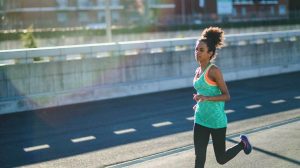
Exercise
The benefits of exercise to the body and mind are well documented. However, the above quote made me view exercise in a whole new light. I began to see it not as a chore but as an investment in myself. When we make monetary investments, we expect to reap the benefits and most of the times we do. The same is true for exercise, if we do it in the appropriate way following certain guidelines, it will definitely pay dividends. Regular exercise not only tones muscles and helps in weight management but results in a range of benefits for both the body and the mind.
Before addressing the benefits of exercise, let’s look at a working definition of exercise. The Cambridge dictionary defines exercise as physical activity that you do to make your body strong and healthy.
The definition highlights that exercise is physical activity. There is a wide range of physical activities that constitute exercise; walking, running, skipping, stair climbing, hiking, dancing and weight lifting, to name a few. Finding an activity that you enjoy should not be a problem. The definition also outlines the purpose of exercise; to make our bodies strong and healthy. Being strong and healthy is a universal goal. Starting today let us love ourselves enough to exercise and work toward being strong and healthy.
Benefits of Exercise
- Increased energy – Once you start exercising many changes take place in your body. Your body burns fats and carbohydrates to produce energy for the muscles, thus increasing your body temperature. Your heart beats faster as it pumps more blood to the muscles you are using. You also breathe faster and deeper in order to pick up more oxygen from the lungs for the muscles to use. Most of the energy in the body is produced by organelles known as mitochondria. Regular exercise causes more mitochondria to be produced in the muscles, making it easier to exercise.
- Improved mood – Endorphins are chemicals produced naturally by the nervous system to deal with pain and stress. They are referred to as the ‘feel-good’ chemicals because they boost happiness and leads to a good mood. The body perceives exercise as stress, however, there is no need for ‘fight or flight’, so the endorphins remain in the body. This is what produces the feeling of euphoria.
- Better quality sleep – The endorphins produced during exercise leads to reduced stress and anxiety. This allows you to sleep deeper and for longer periods. A recent study found that people who exercise for at least 150 minutes per week reported improved sleep quality of 65 percent.
- Younger looking skin – Exercise leads to increased blood circulation to all areas of the body, including the skin. The skin receives extra oxygen and nutrients, while perspiration removes toxins from the body. This process helps to rejuvenate the skin. Exercise also reduces inflammation and stress which results in fewer skin flare-ups such as acne and eczema.
- Improved self-esteem and confidence – Exercise which leads to weight loss and toned muscles makes you look better. Your skin looks good, you’re sleeping and thinking better and you’re in a good mood. These effects of exercise make you feel good about yourself and provide a boost in confidence.
- Improved sex life – Studies have shown that exercise acts as a natural Viagra for men. In one study sedentary middle-aged men who participated in an intense exercise program for nine months reported more frequent sexual activity, better sexual performance and increased satisfaction. Research has found that physically active women report greater sexual desire, arousal and satisfaction than their sedentary counterparts. Men and women who exercise may feel more sexually desirable, which can result in better sex. Greater strength, flexibility and stamina developed through exercise may also contribute to better sex. Do not overdo the exercise however, as it has been found that excessive exercise may suppress libido. In the case of women, if excessive exercise is done in conjunction with extreme weight loss menstrual disturbances and infertility may result.
- Improved brain function – Aerobic (cardio) exercise increases heart rate, which results in more blood being pumped to the brain. The blood delivers more oxygen to the brain which results in a process called neurogenesis. This is the production of neurons in the parts of the brain that control memory and thinking. Neurogenesis increases brain cells and this is believed to prevent the onset of brain diseases such as dementia and Alzheimers. In addition, during exercise, several hormones that provide a nourishing environment for the brain are produced.
- Improved muscle, bone and joint strength – When you start exercising you will experience muscle soreness and discomfort. This is because your muscles are working harder than they normally do. This extra stress on the muscles results in tiny tears, this is what causes the soreness and discomfort. As you continue to exercise your muscles become accustomed to this new level of activity. The tiny tears heal and your muscles become larger and stronger and you no longer experience soreness and discomfort. Muscles protect the bones from injury and support and protect joints. This helps to prevent arthritis and osteoporosis. Strong muscles also result in improved balance and coordination and hence a reduction in falls.
- Better weight control – Exercise helps in controlling your weight by using (burning) excess calories from food that would otherwise be stored as fat, resulting in weight gain. The burning of calories through exercise coupled with a reduction in the number of calories you eat produces a ‘calorie deficit’. This simply means that you are using more calories than you are taking in, this results in weight loss. Most weight loss is due to a reduction in calorie intake, however, it has been proven that the only way to maintain your weight after weight loss is through physical activity.
- Reduced risk of certain diseases – Regular exercise can reduce the risks associated with several diseases including heart disease, diabetes, asthma, back pain, arthritis, some cancers and dementia.
- Reduced risk of early death – Research indicates that people who engage in regular exercise live longer than those who do not. New research suggests that becoming more active may result in a longer lifespan regardless of past activity levels.
For more information on the benefits of exercise visit the following websites:
https://www.mydr.com.au/sports-fitness/physical-activity-benefits-to-your-body
https://www.healthline.com/nutrition/10-benefits-of-exercise#section10
Types of Exercise
There are four different types of exercise; endurance, strength, balance and flexibility, each of which serves a different purpose. Engaging in them all provides maximum benefits. Mixing them helps to reduce boredom and the risk of injury. Some exercises fit into more than one category, for example, some endurance exercises also build strength and some strength exercises also improve balance.
Endurance (Aerobics) Exercises
These activities increase your heart rate and your breathing. They promote heart, lungs and circulatory system health. They also improve overall fitness. They lower blood pressure, burn body fat, lower blood sugar levels, improves mood and raise ‘good’ cholesterol levels. When combined with weight loss, they can lower ‘bad’ cholesterol levels as well. Endurance exercises can reduce the risk of cardiovascular disease, stroke, type 2 diabetes and high blood pressure. They may also reduce the risk of breast and colon cancers. Improved endurance makes it easier to perform many daily activities. Endurance activities are the major components of most fitness programs. Types of endurance exercises include:
- Brisk walks
- Jogging
- Running
- Swimming
- Cycling
- Stair climbing
- Rowing
- Boxing
- Skipping (jumping rope)
- Hiking
- Dancing
Strength Exercises
Strength exercises, also referred to as strength training, make muscles stronger. They also increase lean muscle mass, which is important for weight loss because lean muscles use more calories than other tissues. It is possible to lose weight quickly doing other activities, however, in order to keep the weight off, you must maintain lean muscle mass. Strength exercises also lead to increased bone density and reduced risk of osteoporosis, also increased metabolism, which aids in weight loss or weight maintenance. Strength exercises include:
- Lifting weights
- Using resistance bands
- Using your body weight for resistance, for example by doing push-ups, pull-ups, crunches or leg squats
- Using weight machines
Balance Exercises
Balance exercises help to prevent falls especially in older people. The aging process causes a deterioration of all the systems that help with balance; vision, the inner ear, leg muscles and joints. Balance exercises can help to prevent or even reverse this deterioration. Balance exercises include:
- Shifting your weight from side to side
- Walking heel to toe
- Using a balance board or stability ball
- Doing tai chi, yoga or Pilates
Flexibility Exercises
Flexibility exercises stretch your muscles and help your body stay pliable. They help you to maintain a wide range of motions, particularly at the joints. This will enable you to do other exercises and also to better perform daily activities such as getting dressed or driving. Examples of flexibility exercises include:
- Stretching various parts of the body, for example, hamstrings and quads
- Yoga
- Tai chi
- Pilates
For more information about the types of exercises checks out the following links:
https://www.livescience.com/55317-exercise-types.html
https://go4life.nia.nih.gov/4-types-of-exercise/
How to Start Exercising
Consult your doctor – If you are just starting to exercise or you are starting a new exercise program, you should check with your doctor for advice on whether the exercise you intend to do is safe for you and if so, how to proceed. This is particularly important if you have health issues such as heart disease, diabetes or hypertension or if you are pregnant.
Get appropriate shoes and clothes for your workouts. This may seem trivial but they will help you to feel comfortable and hence be more inclined to continue exercising.
Start small – Choose low-intensity exercises and short time periods of maybe ten to fifteen minutes for starters. This is important to prevent injury and also because if you attempt to do too much too soon you may become frustrated and overwhelmed and stop exercising. It is better to take it slowly and as your body gets accustomed to working out you can gradually increase both the intensity and the duration of the workouts.
Set goals – Decide how many days per week you will exercise, how many minutes per day, what type of exercise you will engage in and the intensity level. If weight loss is part of your plan, include it in your goals; decide how much weight you want to lose over a particular time period. Reward yourself each time you achieve a goal but not with something that will set you back, like ice cream or pizza. Maybe you have been admiring a particular dress in a store, but you know it would not look good on you because you have on too much belly fat. Well, when you have lost that belly fat celebrate by rewarding yourself with that dress.
Hold yourself accountable – Find a partner to work out with; you can encourage and motivate each other, even be a bit competitive but also hold each other accountable.
Remember to warm up and cool down – Remember to warm up at the beginning of each work out session and to cool down at the end. Warming up gradually increases body temperature and increases blood flow to the muscles in preparation for exercise. It may also reduce muscle soreness and the risk of injury. Cooling down allows the body to gradually return to pre-exercise heart rate and blood pressure.
How Much Exercise is the Right Amount?
The World Health Organization (WHO) recommends that healthy adults between the ages of 18 – 64 engage in at least 150 hours of moderate-intensity aerobic exercise per week or 75 hours of vigorous-intensity aerobic exercise per week. The duration of the aerobic exercises should be at least 10 minutes per session.
In order to enjoy additional health benefits, the WHO recommends that adults increase their moderate-intensity exercises from 150 minutes per week to 300 minutes per week. Alternatively they may perform 150 minutes of vigorous-intensity exercises.
The WHO also recommends that muscle strengthening exercises, involving major muscle groups be done at least 2 days per week.
According to the WHO, these recommendations are also applicable to individuals with chronic noncommunicable diseases that do not affect mobility, such as hypertension and diabetes. They stated that these recommendations may also be suitable for people with disabilities provided each individual is assessed and adjustments made according to his/her exercise capacity and specific health risks or limitations.
The WHO also stated that in adults 65 years and older leisure activities such as walking, gardening and dancing count as physical activities, so do activities such as household chores and sporting activities. Beyond this the WHO exercise guidelines for adults over 65 are the same as those 18 – 64 with the addition that older adults with poor mobility should engage in physical activity to improve balance and prevent falls at least 3 days per week.
Finally, the WHO recommends that older adults who are unable to do the recommended amount of physical activities because of health issues should be as physically active as their conditions allow.
For more information on the WHO recommendations visit these links:
https://www.who.int/dietphysicalactivity/factsheet_adults/en/
https://www.who.int/dietphysicalactivity/factsheet_olderadults/en/
The Bottom Line
Exercise is a vital part of a healthy lifestyle. Its benefits are numerous; it can lower risk factors associated with heart disease, stroke, high blood pressure and diabetes. Regular exercise may even prolong your life. Given the extraordinary benefits to be reaped from engaging in exercise we should all be involved in some form of physical activity.
It is never too late to start exercising. New studies show that older people who have never participated in regular exercise have the same ability to build muscle mass as highly trained athletes of a similar age.
Any exercise is better than no exercise at all. If, for whatever reason, you are unable to do the recommended amount of exercise, do whatever amount and intensity you can. You will still reap significant benefits.
I do hope though, that most of us will make exercise a part of our daily routine and that we will devote the time and effort required to maximize its benefits.
Weight Management
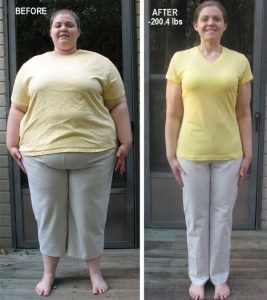
Weight management is vital to good health. The aim of weight management is to get your weight to the level appropriate for your age, gender and height and to maintain it at that level. Being overweight or obese puts you at greater risk of developing certain diseases, including cardiovascular disease, high blood pressure, diabetes and even certain cancers.
A measurement known as Body Mass Index (BMI) is used to determine whether an individual is at a healthy weight, is underweight, overweight or obese. BMI measures a person’s weight relative to his or her height.
A BMI below 18.5 indicates that an individual is underweight
Normal BMI range from 18.5 – 24.9 and indicates a healthy weight
A BMI from 25 – 29.9 indicates that an individual is overweight
A BMI of over 30 means an individual is obese
Weight management goals are best achieved through a combination of diet and exercise. However, there is a debate among experts as to the importance of each component, especially to weight loss. Are they equally important? Is diet more important? Or is exercise more important?
Most experts seem to be of the opinion that when it comes to weight loss the importance of diet far exceeds that of exercise. According to Shawn M. Talbott, Ph.D., “As a rule of thumb, weight loss is generally 75 percent diet and 25 percent exercise”. You will see variations of the figures, some saying 70 percent diet, 30 percent exercise and still others believing its 80 percent diet and only 20 percent exercise.
The experts’ views are based on the premise that it is much easier to reduce calorie intake than to burn off calories through exercise. According to Talbott, an analysis of more than 700 weight loss studies revealed that people experienced the biggest short-term results from eating smart. He noted that, on average, people who dieted without exercising for 15 weeks lost 23 pounds, while exercisers lost only 6 pounds over about 21 weeks.
The food choices we make when trying to lose weight seem to be far more important than how much exercise we do. If we eat a lot of junk we are not going to lose significant amounts of weight, no matter how much we exercise. According to Talbott, “You can’t out-exercise a bad diet.” It seems as though it is a fact that “we are what we eat.”
Once weight has been lost, maintaining the new weight is important. It is here that exercise produces superior results compared to diet.
What about those who are underweight?
A lot of attention is given to the problems of overweight and obesity, but not much to the issue of being underweight. This needs to change as being underweight can lead to serious health issues including:
- Malnutrition
- Vitamin deficiencies
- Anemia
- Osteoporosis resulting from a deficiency of vitamin D and calcium
- Decreased immune function
- Irregular menstrual cycles resulting in fertility issues
- Growth and development issues, particularly in children and teenagers
- Increased risk for complications from surgery
- Getting sick frequently
If you are underweight you should see a dietician, nutritionist or healthcare provider, who will help you with a plan, including a diet, to help you gain weight.
Weight Management Strategies
The following strategies will help you to lose weight if you are overweight or obese or to maintain your weight if you are at a healthy weight.
- Measure portions – when portion sizes are too large, we can end up eating much more than we realize.
- Eat foods that are high in fiber – they keep you feeling filled for longer.
- Eat wholesome foods – this includes fruits vegetables and whole grains.
- Drink plenty water – it also helps to keep you feeling satisfied.
- Plan meals at least a day ahead – this way you will have the meal ready when you need it so you will not get hungry and reach for whatever is at hand.
- Avoid empty calories – they are your enemies if you are trying to lose or maintain weight.
- Keep track of your calories – keep a record of what you eat, this will help you to know what is working for you.
- Eliminate liquid calories – you can consume hundreds of calories per day drinking sodas, juices, tea or alcohol.
- Exercise regularly – this will help to keep you healthy and is especially important if you are trying to maintain your weight.
- Keep a food and weight diary – this helps you to monitor your progress.
- Do not focus solely on weight loss – set a goal to lose a certain number of inches off your waist, hip or arms, for example, instead of just focusing on how much weight you want to lose.
- Be gentle with yourself – if you missed a meal and had something that you should not have had, don’t let that be the end of your weight management, just get back on track with your next meal.
All the best with your weight management and exercise programs. As you work towards your goals, enjoy the journey.
In part three we will look at the importance of getting quality sleep and also managing stress. Looking forward to hearing from you.
Great post. Keep them coming.
Thank you for your feedback, Franklyn.
Today I will love myself enough to exercise” , wow this quote truly reflects what u wrote about the benefits of Exercising Because with the benefits u get from it with the work that you put in u will truly love your self to exercise
I’m very impressed with this blog actually planning on capitalizing on the tips given
I found this very interesting and informative.
On your place I would try to solve this problem itself.
Hi. Thanks for your comment. By providing relevant information and advice, I’m attempting to help to solve the problem on an individual basis.
I cannot thank you enough for the post.Really looking forward to reading more. Want more.
Thank you Viola. So happy that you found the post useful. I hope you have checked out the others that were posted after this. Others will be coming soon.
Love to see this every day !
Hello
YOU NEED QUALITY VISITORS FOR YOUR: primexpressions.com ?
WE PROVIDE HIGH-QUALITY VISITORS WITH:
– 100% safe for your site
– real visitors with unique IPs. No bots, proxies, or datacenters
– visitors from Search Engine (by keyword)
– visitors from Social Media Sites (referrals)
– visitors from any country you want (USA/UK/CA/EU…)
– very low bounce rate
– very long visit duration
– multiple pages visited
– tractable in google analytics
– custom URL tracking provided
– boost ranking in SERP, SEO, profit from CPM
CLAIM YOUR 24 HOURS FREE TEST HERE=> ventfara@mail.com
Thanks, Soon Deegan
You Want to Know What Is Link Building and How Does It Work ?
You Want to Know How to Get Powerful Backlinks ?
Check this out http://paxtonlrwa85295.bloggerbags.com/7836747/what-is-link-building-and-how-does-it-work