How to Develop and Maintain a Healthy Lifestyle – Part Three
Getting Good Quality Sleep and Managing Stress
In this, the final part of the series, we will look at the importance of getting good quality sleep and managing stress.
Getting Good Quality Sleep
“Sleep is the golden chain that ties health and our bodies together.”
Thomas Dekker
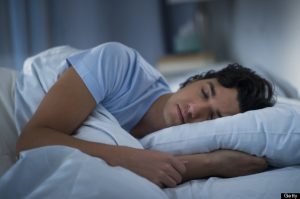
Sleep is as important to the body as food, air and water. However, often sleep is sacrificed as we stay up late working, studying, watching television or on social media. Some people spend the recommended hours in bed but do not get ‘quality’ sleep because their sleep is interrupted several times during the night.
What Happens During Sleep
During sleep, the body does not shut down and go to sleep. On the contrary, our brains work very hard processing the day’s activities and carrying out functions that will make us ready for the next day. Here are some of the things that happen during sleep.
- The brain sorts and processes the day’s information – This is important for creating long-term memories. The brain consolidates all the information it collected during the day and files it away for future use.
- Hormones are released into your body – Several hormones are released during sleep, each for a different purpose. Melatonin is released by the pineal gland; this hormone controls sleep patterns. Its levels increase at night, making you feel sleepy. During sleep, the pituitary gland releases growth hormone which allows the body to grow and repair itself.
- The sympathetic nervous system relaxes – This system controls ‘fight or flight’ response and during sleep, it gets to relax. Studies have shown that sleep deprivation leads to increased sympathetic nervous system activity and a corresponding increase in blood pressure. Scientists studying coronary disease are trying to determine if there’s a relationship between decreased sleep duration and increased risk of heart disease.
- Cortisol levels get lower – Cortisol is referred to as the stress hormone. Its level is lowered during the first few hours of sleep but peaks soon after you awake. This makes you feel lively when you wake up and turns on your appetite.
- Your muscles become paralyzed – During the stage of sleep when we have our most vivid dreams our muscles become temporarily paralyzed, preventing movement. Scientists believe this is to prevent us from acting out our dreams.
- Anti-Diuretic Hormone (ADH) removes the urge to urinate – ADH allows you to sleep undisturbed throughout the night by removing the urge to urinate.
- The immune system releases cytokines which fight inflammation – During sleep the body releases a protein substance called cytokines. If you are sick or injured the cytokines help to fight inflammation, infection and trauma. Without adequate sleep, the immune system would not be able to function at its best.
For more information on what happens during sleep check out the following links:
https://www.verywellhealth.com/top-health-benefits-of-a-good-nights-sleep-2223766
Sleep Deprivation
Sleep deprivation refers to a condition in which a person is not getting enough sleep. There are many causes of sleep deprivation, such as stress, medical or mental health conditions or environmental issues such as noise or too much light. After a night of sleep, you may still be sleepy and not feel refreshed. This is because the quality of your sleep was poor. If you tossed and turned and woke up several times during the night your body was not able to perform its restorative functions. Sleep quality is just as important as the duration. Sleep deprivation may result in a plethora of health issues including the following:
- Increased blood pressure
- Increased risk of diabetes
- Heart attacks
- Accidents, including motor vehicle accidents
- Headaches
- Confusion
- Irritability
- Depression
- Obesity
- Seizures
- Stroke
- Decreased performance and alertness
- Temper tantrums in children
- Muscle aches
- Low sex drive
- Poor balance
To learn more about sleep deprivation visit these websites:
https://snoringmouthpiecereview.org/sleep-deprivation-vs-sleep-deficiency
https://www.healthline.com/health/sleep-deprivation/effects-on-body#2
Sleep Debt
Research has shown that the average adult needs between 7 and 9 hours of sleep daily. However, most of us do not sleep the recommended hours each night. Sleep debt refers to the accumulated amount of sleep lost over a period of time. If you lost 2 hours sleep each day for a week, at the end of the week your sleep debt would be 14 hours.
If you lose sleep one night, you may be able to catch up on the lost sleep the next day by sleeping longer but if you consistently lose sleep over a long period of time it will be impossible to catch up.
Some sleep-deprived individuals have convinced themselves that their bodies have adjusted to the decreased hours of sleep, but as highlighted earlier, such sleep deprivation could have serious health consequences.
What Triggers Sleep
According to scientists, two important cycles regulate our sleep; the homeostatic sleep drive and the circadian signal. They are controlled by two important chemicals, adenosine and melatonin.
The homeostatic sleep drive regulates the drive to sleep based on time spent awake and energy expenditure. The longer you’re awake and the more energy you expend, the more adenosine your body will accumulate. This makes you feel tired and sleepy. During sleep, the adenosine is broken down and its levels decrease, causing you to wake up fresh. If you do not get enough sleep, your boddy will still have high levels of adenosine in the morning, making you feel tired and grouchy.
When you take coffee, the caffeine in it blocks the adenosine’s action, preventing it from making you sleepy.
The circadian process is controlled by a tiny biological clock located in the brain. The clock operates on a 24-hour cycle. The production of the hormone melatonin is triggered by darkness but is inhibited as soon as the retina detects light. The presence of melatonin in the brain inhibits alertness and promotes sleepiness. Melatonin is extremely sensitive to light, the smallest amount of light will cause its production to stop. This explains why some people can only sleep in complete darkness. The circadian process or circadian rhythm as it is sometimes called resets the clock based on day-night cycles.
Find out more about what triggers sleep at:
http://www.aquimicadascoisas.org/en/?episodio=the-chemistry-of-sleep
Night sleep versus day sleep
The body is naturally ‘wired ‘to be active in the day and to sleep at night. At night the body produces melatonin which triggers sleep. As we go through the various stages of sleep the body performs its restorative and maintenance functions. These functions re-energizes us, making us ready for the next day.
Sleeping during the day goes against our circadian clocks. During the day little or no melatonin will be produced, due to its sensitivity to light, this will affect our ability to sleep deeply. Most of the repair and restoration work the body does during sleep is done during deep NREM sleep. This means day sleepers will not benefit from these processes, hence they may wake up feeling tired and unrefreshed.
It is ok to take short naps of 20 to 30 minutes during the day, preferably between 2 pm and 3 pm when there is a natural lull in the alerting system of the circadian rhythm. This type of sleep is meant to provide a boost in energy.
If you have difficulty sleeping at nights, refrain from taking naps, as this may further interfere with your ability to sleep at nights.
Types of Sleep
There are 2 types of sleep rapid eye movement sleep (REM) and non-rapid eye movement sleep (NREM). NREM sleep is a relaxed type of sleep that starts out light and gets progressively deeper. REM sleep is an active type of sleep, in which the brain is almost as active as if you were awake. The body moves between these two types of sleep every 90 minutes in what is known as the sleep cycle.
NREM sleep
This type of sleep has 3 stages, each stage lasts from 5 to 15 minutes.
Stage 1 – You are just drifting off to sleep, your eyes are closed but it’s easy to wake you. This stage usually lasts 5 to 10 minutes.
Stage 2 – This is a period of light sleep. In this stage, your heart rate slows and your body temperature falls as your body prepares for deep sleep.
Stage 3 – This is the deepest stage of sleep, it is also called slow-wave sleep. It is much harder to rouse you during this phase of sleep. The body needs deep sleep in order to perform its restorative functions. During this stage of sleep:
- Wounds are healed
- The immune system is strengthened as more white blood cells are created to aid the body’s defenses
- Growth hormone is released
- Muscles are restored
Without deep NREM sleep, these functions would be compromised and this could have serious implications for your health.
REM sleep
REM sleep happens about 90 minutes after you fall asleep. The first period of REM lasts for about 10 minutes, each subsequent period last longer, the last one could last up to one hour. During REM sleep heart rate and breathing quickens and the brain is almost as active as if you are awake. REM sleep is referred to as paradoxical sleep because although it seems as if you are fast asleep, your brain is actively working.
When you’re awake most of your mental stimuli comes from your environment, during REM sleep however, all the stimuli come from the brain itself. The brain uses this time to process all the information gathered during the day. It is also during this time that memories are processed and new skills formed.
It is also during REM sleep that you dream. You are likely to have very intense dreams as the brain is very active.
For more information about the types of sleep visit the following websites:
https://sleephabits.net/types-of-sleep
https://www.webmd.com/sleep-disorders/guide/sleep-101
Strategies to promote good quality sleep
We know the importance of sleep, we also know that sleep evades some of us night after night and we know the detrimental consequences this can have. The good news is, there are actions we can take to improve sleep quality. The following are some of these actions:
- Increase your exposure to bright light during the day
- Reduce exposure to blue light in the evening
- Do not consume caffeine after lunchtime
- Reduce long daytime naps
- Try to go to sleep and wake up at the same time every day
- Take a melatonin supplement
- Don’t drink alcohol at night
- Make sure your bedroom is conducive to sleep
- Don’t eat late in the evening
- Relax and clear your mind in the evening
- Take a warm, relaxing bath or shower before bed
- Consult your doctor to determine if you have a sleep disorder
- Make sure your bed, mattress and pillow are comfortable
- Exercise regularly but not before sleep
- Don’t drink liquids before going to bed
- Avoid sleeping in, even on weekends
- Use your bed only for sleeping
- Learn ways to get back to sleep
To learn more about strategies to promote good quality sleep visit the following websites:
https://www.healthline.com/nutrition/17-tips-to-sleep-better
https://www.helpguide.org/articles/sleep/getting-better-sleep.htm
Managing Stress
“Rule number one is,
Don’t sweat the small stuff.
Rule number two is,
It’s all small stuff.”
Robert Eliot
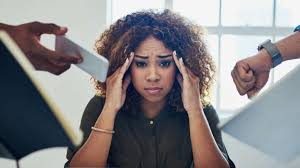
Life is full of stressful situations, there seem to be always something to create stress in our lives. But what is stress? The Oxford dictionary defines stress as:
A state of mental or emotional strain or tension resulting from adverse or demanding circumstances.
During stressful situations, the body thinks it is under attack and goes into ‘fight or flight mode’.
The body is unable to differentiate between physical danger and stress, therefore it responds to both situations in the same way. When the fight or flight mode is activated the body releases hormones and chemicals such as adrenaline and cortisol that prepares us for physical action. This causes various changes in the body, for example, blood is diverted to the muscles and certain systems, like the digestive, reproductive and the immune systems are temporarily shut down. The body is on high alert and all its focus is on helping us to fight the imminent danger or to flee from it.
The adrenaline rush motivates and energizes us and allows us to ‘pull off’ things we ordinarily would not be able to. If stressful situations are short-term, they are dealt with quickly and our bodies return to normal functioning, and no harm is done. This type of stress is known as acute stress.
When we are constantly faced with stress, this can be detrimental to our health. Stress that lingers long term is known as chronic stress. The fight or flight mode stays activated, this results in high levels of cortisol and other stress hormones in the body. This can disrupt many body functions and puts us at greater risks for many health problems, including the following:
- Heart disease
- Headaches
- Anxiety
- Depression
- Weight gain
- Memory and concentration impairment
- Ulcers
- Upset stomach
- Skin problems such as acne, eczema and psoriasis
- Flare-ups of arthritis and asthma
- Changes in sex drive
Major life stressors
Stressors are present in all areas of our lives. Stressful situations arise at home, work, school and even at church. Sometimes the stress is not from external sources, but from within us. Here are some of the major stressors.
- Death of a loved one
- Loss of job
- Divorce
- Increased financial obligations
- Getting married
- Moving to a new home
- Chronic illness or surgery
- Emotion problems such as depression, anxiety or anger
- Taking care of a sick or elder family member
- Traumatic events such as a natural disaster or rape
Not all stress is bad
In 1974 Hungarian endocrinologist Hans Selye identified two different types of stress; eustress and distress. Eustress is considered good stress and distress is seen as bad stress. Good stress empowers and motivates us and makes us more productive. Bad stress immobilizes us and makes us less productive.
Juliette Tocino-Smith in her article: What is Eustress and how is it Different than Stress?, outlines the characteristics of eustress and distress.
| Characteristics of Eustress | Characteristics of Distress |
| It only lasts in the short term | It lasts in both the short and long terms |
| It energizes and motivates | It triggers anxiety and concern |
| It is perceived as something within our coping ability | It surpasses our coping capabilities |
| It feels exciting | It generates unpleasant feelings |
| It increases focus and performance | It decreases focus and performance |
| It contributes to mental and physical problems |
The body’s response to stressors (things that cause stress) provides us with extra energy, strength and stamina. It also allows us to concentrate better. We are able to meet that deadline, study for that exam or react in time to prevent a motor vehicle accident. These are examples of eustress or good stress. Stressful situations have positive outcomes.
Tocino-Smith contends that in cases where there is no physical threat individuals can encourage their brains to view stress as eustress rather than distress. I share her view because faced with the same stressful situation individuals react differently. Some individuals embrace the challenge while others wilt under the pressure. The outcomes are more determined by how the individuals view a stressful situation rather than the situation itself.
For more information on eustress and distress check out the following link:
https://positivepsychology.com/what-is-eustress/
How to Reduce Stress (Distress)
Stress is a major cause of many health problems. We are always going to face stressful situations. In order to safeguard our health, we need to find strategies to cope with stress and reduce its impact on our lives. The following are some stress-reducing strategies.
- Maintain a positive attitude
- Accept that there are situations that you cannot control
- Be assertive instead of aggressive
- Learn and practice relaxation techniques such as meditation, yoga or taichi
- Eat well-balanced meals
- Exercise regularly
- Learn to say no to requests that would put excessive demands on your time
- Practice effective time management
- Make time for hobbies and interests
- Get enough rest and sleep
- Spend time with friends and family
- Reduce your caffeine intake
- Smile and laugh a lot
- Take deep breaths
- Live in the moment
- Use music to help you relax
- Be grateful
Not all the techniques will work for everyone. Figure out what works for you and stick with those techniques.
To learn more about stress reduction strategies visit the following links:
https://www.webmd.com/balance/stress-management/stress-management
https://www.webmd.com/balance/guide/blissing-out-10-relaxation-techniques-reduce-stress-spot#1
I hope something from these posts has had a positive impact on your life. I hope you have been challenged to be the best that you can possibly be.
Remember to subscribe and to comment. Let me know what you think. If you have ideas that you would like to share, feel free to do so.
Enlightening
Keep up the good work!!
Thanks Zene. So happy that you enjoyed the post.
Hi Ms. Vassell,
This is informative writing, I love it great content.
Please keep it up, I’m looking forward to your next post.
Hi Randy. Thanks so much for your feedback. So happy that you enjoyed the content. The next post will be real soon.
Very informative
So happy that you found the post informative.
The information posted was very informative and inspiring .
Thank you for this post. I learnt so much.
Tremendously Informative.Solid advice. Definitely a good read
Thank you Javourghn. So glad you enjoyed the post.
This was very informative. I learned something new, keep up the good work.
Hi Shaneika. I’m happy that you found the post informative and that you learned something new.
I think this is among the most vital info for me. And i am glad reading your article. But want to remark on some general things, The website style is ideal, the articles is really nice : D. Good job, cheers
Hallo At this time I am going away to do my breakfast, later than having my breakfast coming again to read other news gracias
What number of blog entries would it be advisable for me to have before I begin advancing it?